HACCP Pest Control in Pakistan: The Audit-Ready IPM Framework for Food and Pharma Processors
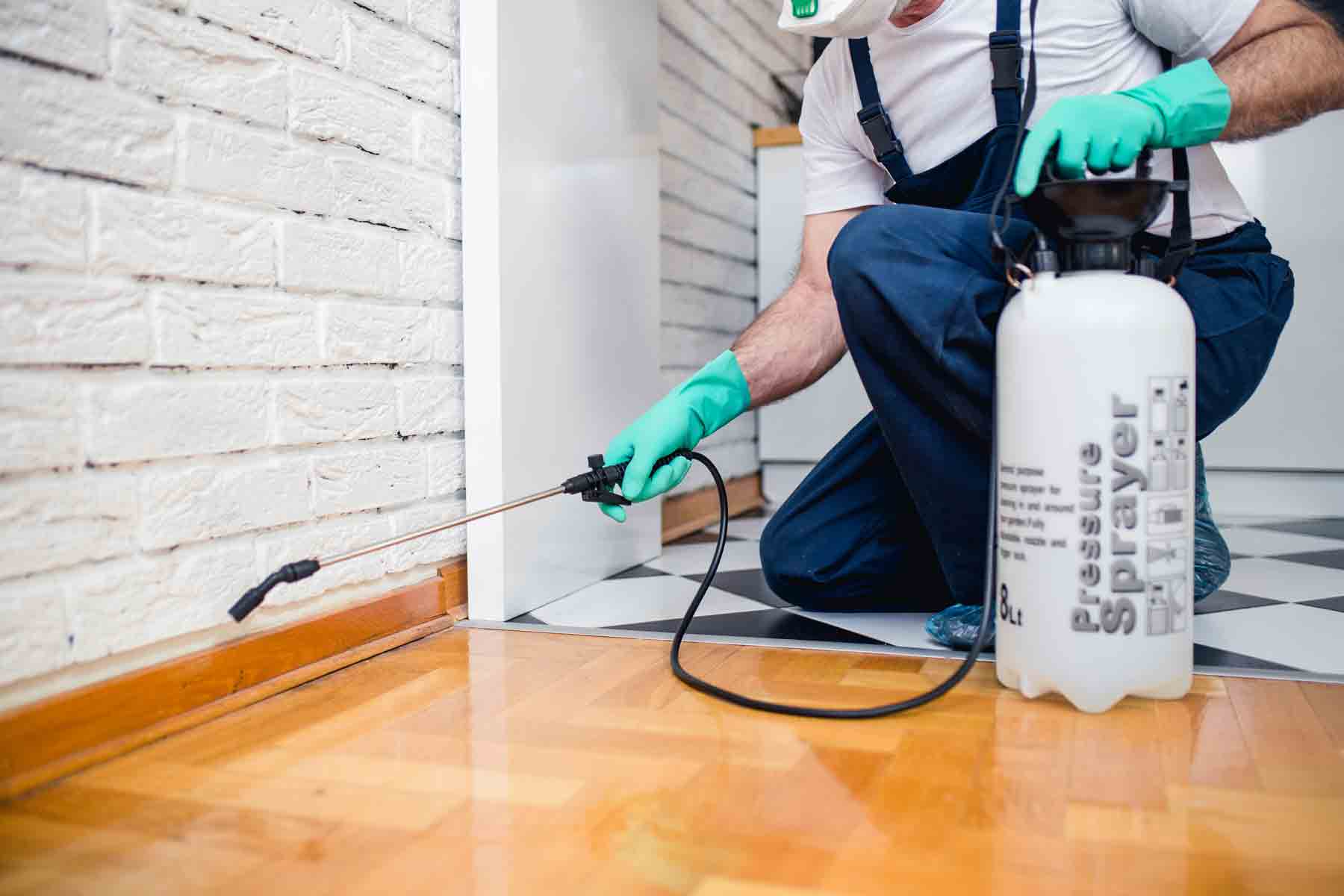
HACCP pest control in Pakistan is not a service tier — it is the legal, contractual, and audit-grade framework every food and pharmaceutical processor in this country is judged against. HACCP, Hazard Analysis and Critical Control Points, is the prerequisite programme (PRP) layer that sits underneath SQF, BRC Global Standard, FSSC 22000, and ISO 22000, and pest management is one of the seven mandatory PRPs that has to be documented, monitored, and defended on three days' notice to a Sindh Food Authority [1] inspector, a GFSI second-party auditor, or a retail-chain QA visitor. Treating it as "spray the floor on Sunday" loses processors export contracts, retail listings, and operating licences. Treating it as Integrated Pest Management [2] — IPM — with a written pest control programme, a monitored-substance list, a trap network with trend analysis, and a deviation register with closed corrective actions is the only operating model that survives the audit cycle. We run that protocol for food and pharma clients across Karachi — Korangi, SITE Area, Bin Qasim, North Karachi Industrial Area, Landhi — and this is the operator's reference for the QA heads, HACCP coordinators, regulatory affairs leads, and plant managers who have to sign for the protocol on their site.
Why HACCP Treats Pest Management as a Prerequisite Programme
HACCP — developed in the 1960s by Pillsbury, the US Army Natick Laboratories, and NASA for the Apollo programme — became the global food-safety baseline by the early 2000s and now sits underneath every meaningful certification scheme: SQF (Safe Quality Food), BRC Global Standard for Food Safety, FSSC 22000, IFS Food, ISO 22000, and Pakistan's own Sindh Food Authority (SFA) and Pakistan Standards and Quality Control Authority (PSQCA) inspection regimes. WHO Good Manufacturing Practice (WHO GMP) for pharmaceutical manufacturing, enforced in Pakistan by the Drug Regulatory Authority of Pakistan (DRAP), uses the same prerequisite-programme architecture with stricter monitored-substance controls.
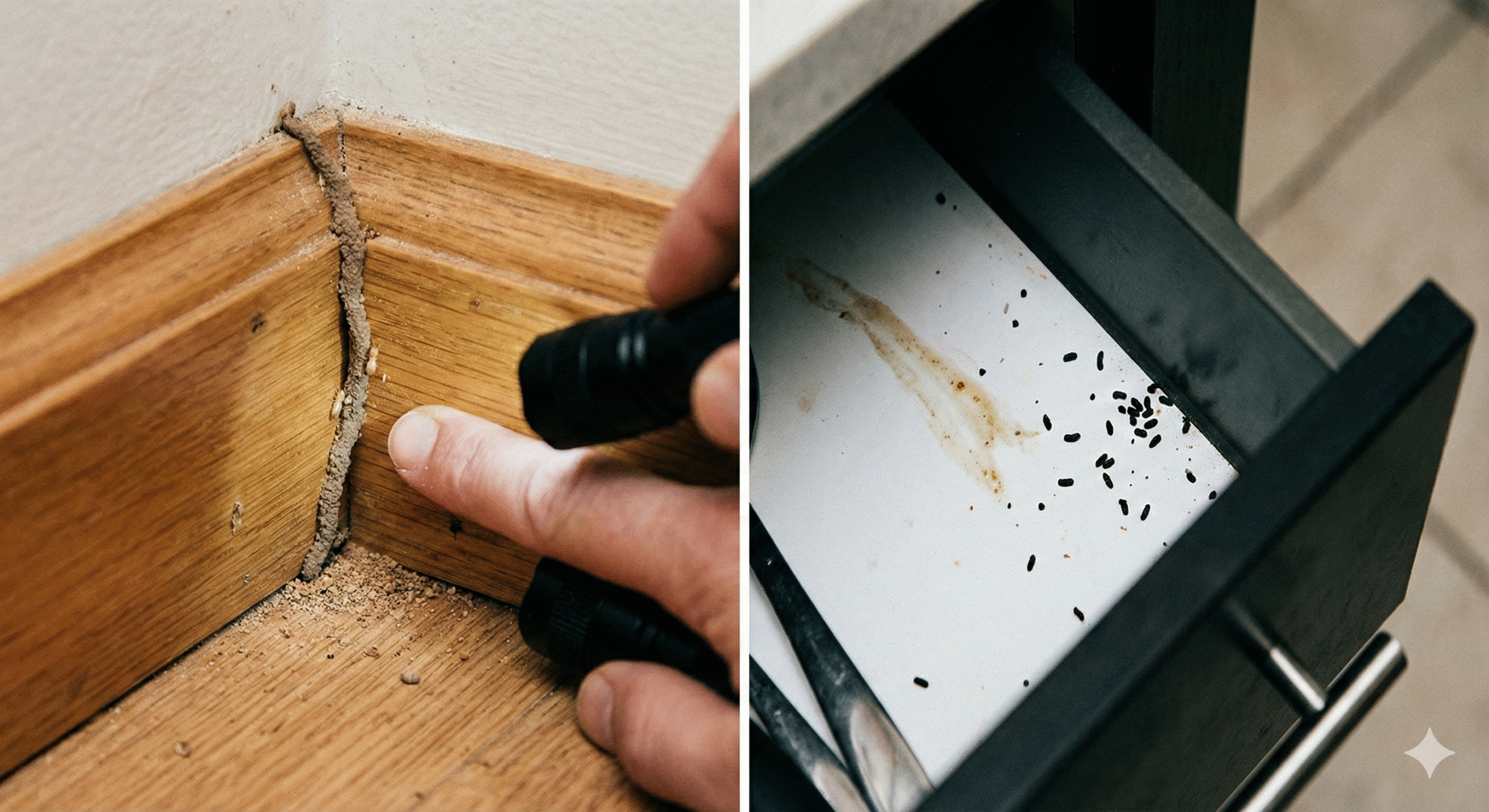
HACCP operates on hazard prevention through documented control of biological, chemical, and physical hazards across the process flow. Pests are a primary biological hazard — cockroach excreta as a microbiological vector, rodent droppings and urine, stored-product insect contamination of finished goods, fly carriage of Salmonella and E. coli across food-contact surfaces — and pest management is a foundation programme that has to be in place before HACCP's seven principles (hazard analysis, critical control points, critical limits, monitoring, corrective action, verification, record-keeping) can even be applied. If the pest control programme is weak, every critical control point downstream inherits the contamination risk.
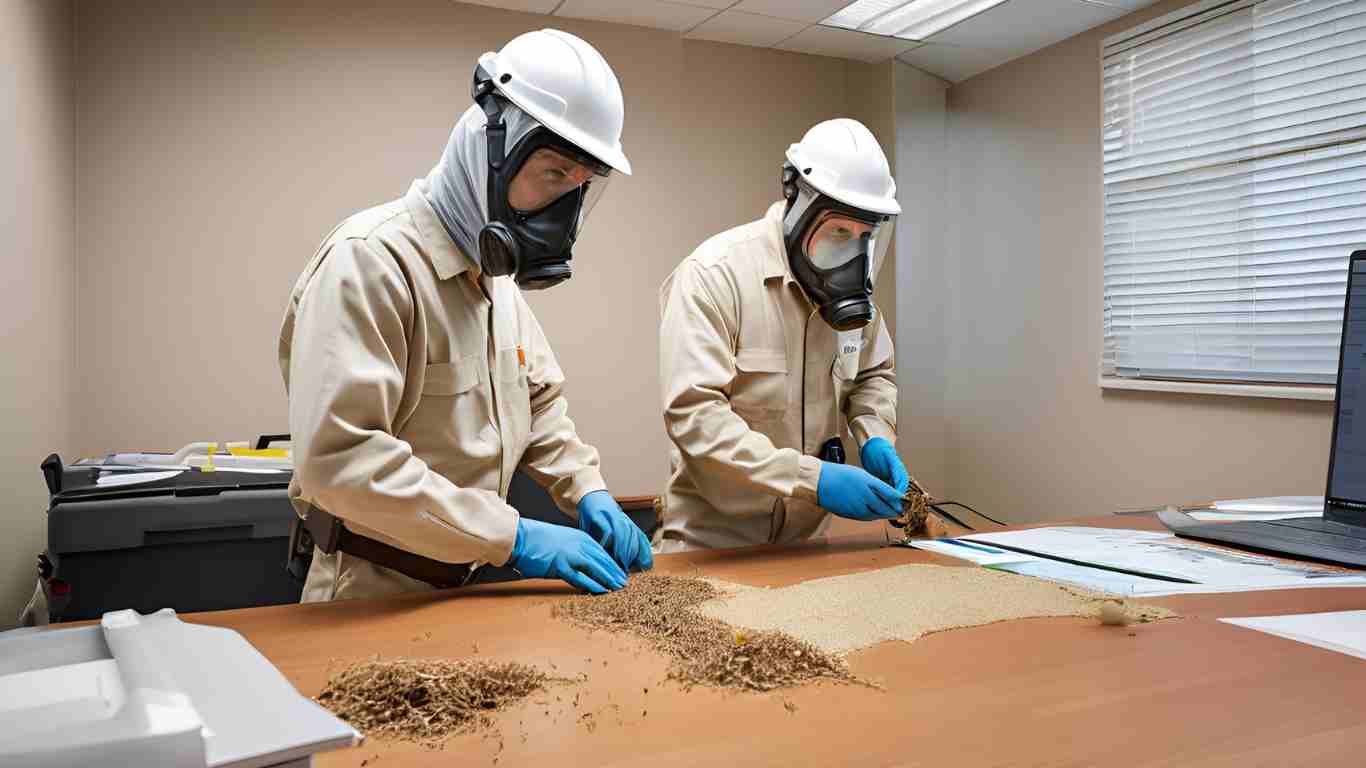
That is why food and pharma processors in Pakistan cannot buy generic pest control. SFA inspectors walk in with a checklist. SQF auditors review the pest control programme document before the site walk. DRAP inspectors audit the monitored-substance list against the building's permitted-actives register. None of these audits ask "did you spray?" — they ask where the programme document is, where the trap-count log is, where the trend graph is, where the deviation reports are, where the corrective action closures are, where the technician training records are. A processor without those documents fails the audit regardless of how clean the floor looks. The audit is documentary first, observational second.
The cost geometry follows. A small Karachi processor losing one export contract over a Tribolium castaneum non-conformance forfeits more revenue in a single fiscal quarter than the entire annual cost of a properly run HACCP-aligned IPM contract. Multiply by retail-chain delistings, SFA temporary closure notices, and DRAP plant suspension during pharma manufacturing licence reviews, and the audit-insurance economics get unambiguous fast. The buyers signing annual contracts with us are not buying chemistry — they are buying the document trail and the audit walk-through.
We hold the credentials food-safety procurement asks for: ISO 9001:2015 certification, Sindh Pest Management Association (SPMA) membership, Pakistan Pest Management Association (PPMA) membership, and Karachi Chamber of Commerce and Industry (KCCI) membership. Our food-manufacturing client roster — including FrieslandCampina-Engro and Continental Biscuits — runs on the protocol described below. For the food-manufacturing service deep-dive see our food manufacturing IPM Karachi pillar; for the cross-vertical IPM service hub see our IPM services page; for the city-wide framing see pest control in Karachi; for founder background see about Saad Danish.
The Seven HACCP Prerequisite Programmes — Where Pest Management Sits
HACCP rests on seven prerequisite programmes (PRPs) that have to be operating before the seven HACCP principles can be applied: premises and structure (building integrity, exclusion, drainage), cleaning and sanitation, pest control, waste management, personnel hygiene, training, and supplier control. Pest control is PRP three but draws audit attention disproportionate to its position because it overlaps directly with PRPs one, two, and four — exclusion is structural, sanitation drives pest pressure, waste handling determines harborage opportunity. A pest control programme that ignores those overlaps fixes nothing.
In practice this means a roach trapped on a production glue board rarely triggers a chemistry response. The corrective action is more often "seal the gap under the receiving-bay door" (PRP 1) or "reduce standing water in the canning-line CIP runoff" (PRP 2) or "service the grease trap on the four-week cycle agreed at PCP sign-off" (PRP 4). Chemistry is the last resort, applied at the perimeter only, after structural and sanitation interventions have been exhausted. That is the IPM principle and it is why HACCP frameworks accept it as the compliance standard.
Beyond HACCP — SQF, BRC, FSSC 22000, ISO 22000, WHO GMP, SFA
Pakistani food and pharma processors layer retail-chain and export-buyer schemes on top of HACCP. The underlying IPM logic is identical; the documentation cross-references differ:
- SQF (Safe Quality Food) clause 11.2.13 — written programme, licensed contractor, monitored-substance recording, trap site maps, trend analysis, corrective action protocols. Auditors will pull a deviation from twelve months back and walk the closure chain.
- BRC Global Standard for Food Safety Issue 9, clause 4.14 — among the most prescriptive: contractor competence, risk-based programme, justified inspection frequency, timely verified corrective actions, tamper-resistant bait stations on a site map. Auditors compare map against live site and count discrepancies as non-conformances.
- FSSC 22000 version 6 — combines ISO 22000 with ISO/TS 22002-1 clause 12, emphasising prevention, monitoring, eradication using approved methods, and contractor management.
- ISO 22000 — pest management is a PRP under clause 8.2 with cross-references to 22002-1.
- WHO Good Manufacturing Practice (WHO GMP) — enforced in Pakistan by DRAP. The pest-management bar is the highest in the country: monitored substances only, restricted-use list significantly stricter than food, no chemistry whatsoever inside controlled-environment zones (cleanrooms, sterile fill areas, weighing booths), exterior-only chemistry with documented containment, technician training records refreshed twice yearly, full integration with environmental monitoring.
- Sindh Food Authority (SFA) — provincial regulator under the Sindh Food Authority Act 2016. SFA inspectors check for active pest control contracts, monitored-substance records, technician SPMA qualifications, and physical evidence of trap networks. Non-conformances range from improvement notices to temporary closure orders.
- PSQCA (Pakistan Standards and Quality Control Authority) — federal standards body operating alongside SFA on labelling, food-additive, and quality-management overlap.
For a Karachi processor running multiple certifications simultaneously, the practical implication is one PCP document written to the strictest applicable clause and cross-referencing the others — three parallel pest-control programmes are operationally untenable and audit-fragile, because auditors notice inconsistencies between framework-specific documents and write findings on the inconsistencies themselves.
The Monitored-Substance List — Permitted, Restricted, Banned
The monitored-substance list is the single load-bearing document in HACCP-aligned pest management. Every active is recorded against EPA registration number (or the local equivalent for actives sourced through Pakistani channels), batch lot number, area of application, dose, date and time, technician signature, and plant QA or HACCP coordinator counter-signature. Substances applied without that documentation chain do not exist for audit purposes — worse, they create audit liability when residue evidence (sticky bait, dropped pellets, application stains) is found without a corresponding list entry.
Restricted-Use List — What Never Enters a Production Zone
Across food-manufacturing production and packaging zones, ingredient-storage areas, and finished-goods holding, the following are not permitted:
- Aerosol pyrethroid spray. Drift hazard onto food-contact surfaces and packaging materials. Banned inside the production envelope across SQF, BRC, FSSC, and SFA inspection standards.
- Chlorpyrifos. Restricted globally for food-contact and indoor application. We do not use it in food or pharma manufacturing under any circumstance.
- Tracking powders. Boric-acid, pyrethrin, or diatomaceous-earth dusts applied as tracking media contaminate surfaces and packaging. Food-grade diatomaceous earth applied as a fixed band (not as a tracking medium) is permitted with QA sign-off.
- Open bait. Loose bait pellets violate every food-safety framework. Rodents can carry pellets into ingredient stacks or onto finished-goods packaging.
- Internal anticoagulant bait. Bromadiolone [3] and Brodifacoum [3] stations are perimeter-only, never inside ingredient-storage, production, or finished-goods areas.
- Fogging during production. Even a permitted active becomes a contamination route if applied while the line is running. Fogging is restricted to scheduled shut-down windows with full line clean-down between fog and restart, and only outside the active production envelope.
- Inside-line chemistry of any kind during pharma sterile-fill operations. WHO GMP-controlled environments admit no chemistry at all during operations; pest pressure is controlled through structural and exclusion-based prevention with monitoring at the controlled-environment perimeter.
Non-Toxic-First Hierarchy Inside Production
What we use instead, in order of preference inside the production envelope:
- UV light traps with glue boards. Wall-mounted at thirty-metre grid spacing. UV-A wavelength bulbs replaced annually (UV-A output degrades silently before visible failure). Glue boards counted and replaced monthly. Every insect on every board is identified to species and counted; the count enters the trend log.
- Pheromone traps for stored-product insects. Species-specific lures for Plodia interpunctella (Indian meal moth) in grain handling and confectionery; Tribolium castaneum (red flour beetle) in flour and bakery raw-material storage; Sitophilus oryzae (rice weevil) in rice and wheat storage; Ephestia species in bakery and confectionery raw materials. Lures replaced every six to eight weeks; traps positioned at ten-to-twenty-metre spacing.
- Snap traps and non-toxic monitoring stations. Snap traps inside the building, tamper-resistant housings, numbered and mapped. Catches removed within twenty-four hours; every catch triggers an entry-point investigation.
- Food-grade diatomaceous earth. Applied as a fixed band along wall-floor junctions, behind equipment skirts, in cable-tray voids — never as a tracking medium. Mechanical desiccation action, no MRL implication, surface-residue cleaned to QA standard at every visit.
- Bio-enzyme drain culture. Biological digestion of organic load in drain runs to remove the Periplaneta americana harborage at source. Not chemistry; not a contamination route.
Permitted on Perimeter and Exterior Zones Only
Outside the production envelope — perimeter wall, fence line, refuse yard, exterior of dispatch and receiving bays, generator rooms not connected to production air, vehicle bays — controlled chemistry is permitted where trend data justifies it:
- Imidacloprid [4] 17.8% SC perimeter spray. Diluted to 0.075% active ingredient. Applied as a residual band on exterior wall base, foundation perimeter, and around exterior drains. Maximum quarterly cadence outdoors. Never indoors. Never near receiving bays during inbound goods traffic.
- Bromadiolone 0.005% bait stations exterior only. Tamper-resistant, key-locked, fixed to exterior wall at fifteen-to-twenty-metre spacing. Bait is fixed inside the station; loose bait never leaves the housing. Consumption logged at every visit and graphed.
- Bti larvicide on standing water. Bacillus thuringiensis israelensis on rooftop AC condensate trays, perimeter drain sumps, refuse-yard puddles. Biological larvicide targeting Aedes aegypti [5]"] and Culex mosquito breeding. No MRL implication. Can be applied freely to water bodies that do not contact production input.
- Phosphine or sulfuryl fluoride for stored-grain fumigation. Only inside dedicated fumigation enclosures or sealed silos located outside the active production envelope. We do not fumigate inside operating production zones under any framework.
Every active above feeds the monitored-substance list with the full documentation chain. The list is the first document the auditor asks for and the last document the auditor leaves on the table — between those bookends, the entire audit revolves around it.
Trap Network, Trend Analysis, and the Documentation Cadence Auditors Expect
The trap network is the most visible evidence of an operating IPM programme. SQF, BRC, FSSC, and DRAP auditors all walk the network with a site map and verify trap-by-trap against the documentation. A trap network without trend analysis is observational decoration that fails audit on the documentation review.
Karachi Pest Pressure — The Latin Binomials Driving the Trap Design
The seven species the HACCP-aligned protocol is built around across Karachi food and pharma plants:
- Blattella germanica (German cockroach) — drain-borne harborage, canteen pressure, pyrethroid-resistant populations across Karachi. Inside production: Indoxacarb 0.6% rotated with Fipronil [6] gel on non-food-contact surfaces with QA approval. Vector for Salmonella enterica, E. coli, Staphylococcus aureus.
- Periplaneta americana (American cockroach) — drain-emergent migrator from storm drains and grease traps. Bio-enzyme drain culture; exterior perimeter residual catches migrators before they reach the building shell.
- Rattus norvegicus (Norway rat) — dominant ground-level rodent in Karachi industrial corridors, heavy across Korangi and SITE where storm-drain density supports populations. Perimeter-only Bromadiolone; internal snap-trap only.
- Mus musculus (house mouse) — enters through any opening larger than 6 mm; finished-goods packaging stacks are favoured harborage. Snap-trap inside; entry-point sealing as primary corrective action.
- Tribolium castaneum (red flour beetle) — dominant stored-product beetle in Karachi flour-handling and confectionery. Pheromone-monitored; lot-segregated and fumigated outside production when threshold breached.
- Sitophilus oryzae (rice weevil) — bores into rice and wheat grains; pheromone monitoring catches adults before grain damage is visible.
- Plodia interpunctella (Indian meal moth) — webs and frass in stored grain, cereals, dried fruit, nuts, confectionery. Pheromone-monitored; escalations trigger lot segregation and fumigation in dedicated enclosure outside production.
Network Standard for Karachi Food and Pharma Plants
A 30,000-to-80,000-square-foot Karachi plant runs at our standard build: external rodent bait stations at 1 per 15-to-20 linear metres of perimeter (25-to-40 stations typical); internal rodent monitoring at 1 station per 10 linear metres along inside walls of production, ingredient storage, finished-goods holding; UV light traps at 30-metre grid spacing with higher density at receiving and dispatch bays; pheromone traps at 10-to-20-metre spacing across grain, flour, finished-goods, and confectionery zones; glue boards at floor-level and wall-floor junctions for general crawling-insect detection. For pharma the build adjusts: tighter raw-material warehouse spacing, no chemistry inside controlled-environment zones, exterior controls with documented containment around weighing-booth and sterile-fill AHU intakes, and integration with the plant's environmental monitoring programme.
Monsoon Pressure — July to September
Karachi's monsoon drives stored-product insect populations to 2-to-4x dry-season baselines. Ambient humidity climbs to 75-to-90%, ingredient moisture content rises in storage even with climate control, and Tribolium castaneum, Sitophilus oryzae, and Plodia interpunctella generation times shorten. Plants running monthly trend graphs see the climb in week one and pull affected lots for fumigation before populations breach action threshold. Plants without trend graphs find out at retail audit. Monsoon-window weekly trap-count review is built into our monthly contract baseline rather than priced as an escalation.
Documentation Cadence
Standard contract: minimum monthly visit, reporting package delivered to QA head and HACCP coordinator within twenty-four hours — trap-by-trap count log, twelve-month rolling trend graph for every monitored species, monitored-substance list updates, threshold breaches with corrective action recommendations, next-visit schedule. Pharma accounts get tighter cadence: bi-weekly minimum, weekly during manufacturing campaigns, integration with the plant's batch record cycle.
Corrective Action, Deviation Reports, and Audit-Walk Readiness
A 3-day food-safety audit drills into pest management on day one. Documentation is reviewed before site walk; the site walk is verified against documentation. If the paper trail is incomplete, the auditor writes a non-conformance regardless of how clean the plant looks.
The paper trail we provide as standard, structured to the strictest framework the plant operates under:
- Pest Control Programme (PCP) document — site-specific, referencing applicable HACCP / SQF / BRC / FSSC / ISO / WHO GMP / SFA clauses; scope, monitored-substance permissions, trap network design, site map, visit cadence, threshold values, corrective action protocol, signed annually by plant QA head and contractor operations lead (SQF 11.2.13.1, BRC 4.14.1, FSSC 12.1).
- Site map — plan view with every trap and bait station numbered, updated on every change.
- Trap-count log — trap-by-trap, visit-by-visit, retained for contract lifetime.
- Trend graph — twelve-month rolling graph for every monitored species. Auditors read this in seconds: a flat line is fine; a climbing line without corresponding corrective action is a non-conformance.
- Monitored-substance list — every active applied during the audit period with EPA registration, batch lot, area, dose, date, time, technician sign-off, plant QA sign-off.
- Deviation reports — every threshold breach: what, when, containment action, root cause, corrective action, responsible party, target close date, verification step. Without root cause and verification they are notes, not deviation reports, and auditors say so.
- Corrective action closures — verification evidence: re-inspection count, re-trap result, repair photograph, sealing-work invoice.
- Technician training records — SPMA certification refreshed annually; WHO GMP refresher every six months for pharma technicians.
- MSDS / SDS file — Safety Data Sheet for every monitored substance, current within validity window.
Trap Count Recording — Cadence and Thresholds
Trap-count cadence is one of the most-asked questions at HACCP audits: external rodent bait stations monthly minimum (weekly during pressure events), internal rodent monitoring monthly (weekly during finished-goods packaging operations or after any internal catch), UV light trap glue boards monthly with species identification (weekly during monsoon for high-pressure zones), pheromone traps monthly minimum (weekly through monsoon for grain, flour, rice, confectionery raw-material storage) with lures replaced six-to-eight weekly, and general glue boards monthly with species-identified counts.
Thresholds are set against rolling baseline, not absolute counts. A baseline of 1-to-3 Tribolium adults per pheromone trap in a confectionery raw-material zone is operationally normal; a climb to 8-to-12 adults across the same network triggers a deviation report with lot-segregation and fumigation corrective action. Baselines are plant-specific and we set them across the first three months of any new contract before issuing operational thresholds.
Pricing and Annual Contract Structure for HACCP-Aligned IPM
HACCP-aligned IPM is sold on annual contracts — 12-month minimum, with monthly visit cadence and threshold-driven escalation visits priced inside the contract. Single-visit and short-cycle quotes do not match the operating model — the trap network value is in the rolling trend, the audit familiarity is in the months-long relationship, and the document set takes weeks to populate to audit-ready baseline. Indicative pricing for Karachi food and pharma manufacturing plants in 2026:
| Scope | Monthly contract value (PKR) | Inclusions |
|---|---|---|
| Small food plant (under 15,000 sqft, single line) | 35,000 – 55,000 | Monthly visit, 4 monitoring zones, monthly report, 1 escalation visit, HACCP-aligned PCP and document set |
| Mid food plant (15,000–50,000 sqft, 2–3 lines) | 65,000 – 110,000 | Monthly visit, 6–8 zones, weekly trap-count remote review, 2 escalation visits, monthly report, quarterly trend review, HACCP + SQF or BRC aligned document set |
| Large food plant (50,000–150,000 sqft, multi-line) | 130,000 – 220,000 | Bi-weekly visit, 10–15 zones, weekly trap-count remote review, unlimited escalation visits, audit-walk attendance, HACCP + SQF + BRC + FSSC document set |
| Pharma plant (DRAP-licensed, WHO GMP) | 150,000 – 300,000+ | Bi-weekly visit minimum, weekly during manufacturing campaigns, controlled-environment perimeter monitoring, WHO GMP document set, DRAP-inspection support, environmental-monitoring integration |
| Multi-site corporate (3+ Karachi plants) | Custom | Unified PCP across sites, centralised billing, single operations lead, harmonised document set |
Inclusions across all tiers: PCP document updated annually, monitored-substance list maintained at every visit, trap-by-trap count log, monthly trend graph, deviation reports with corrective action protocol, audit-walk support during third-party audits (we attend on day one and field pest-management questions directly), and SPMA-certified technician staffing. For factory-rodent perimeter network detail see our rodent control page; for the food-manufacturing service pillar see food manufacturing IPM Karachi.
Why NFS for HACCP-Aligned Pest Control in Pakistan
Three reasons food and pharma procurement signs annual HACCP-aligned IPM contracts with us:
1. Existing food and pharma client roster. FrieslandCampina-Engro (Korangi dairy and beverage), Continental Biscuits (SITE Area), and additional GFSI-audited accounts visible on our about us logo wall. The reference check is to plants operating at the compliance level the new procurement office needs.
2. Credentials. ISO 9001:2015 certified — the document audit teams ask to see at PCP sign-off. Sindh Pest Management Association (SPMA) member — the de facto technician qualification SFA inspectors look for. Pakistan Pest Management Association (PPMA) member. Karachi Chamber of Commerce and Industry (KCCI) member. 143 verified Google reviews are public.
3. Karachi geography and response. Headquartered at Plot #14, 2/1 2nd Gizri Street, DHA Phase 4. Korangi accounts reached in 25-to-40 minutes, SITE in 35-to-50 minutes, Bin Qasim in 50-to-70 minutes, North Karachi Industrial Area in 45-to-60 minutes, Landhi in 35-to-50 minutes. Threshold-breach escalation visits during high-pressure weeks — Tribolium counts climbing toward action threshold, an SFA inspection on 48-hour notice, a DRAP pre-audit pre-inspection on 72-hour notice — get a team on site within four hours of the call during business hours, within eight hours overnight or weekend. Founder Saad Danish leads the food and pharma accounts desk for new procurement onboardings — single accountable point of contact, no handoff between sales and operations. See about Saad Danish for founder background.
Frequently Asked Questions
What is HACCP-aligned pest control?
HACCP-aligned pest control is Integrated Pest Management (IPM) operated as a prerequisite programme under the Hazard Analysis and Critical Control Points framework. It uses prevention through exclusion and sanitation, monitoring through a documented trap network with trend analysis, targeted least-toxic intervention only when monitoring data justifies it, and full documentation through a written pest control programme, monitored-substance list, deviation reports, and corrective action closures. It is the operating model every food-safety framework — HACCP, SQF, BRC, FSSC 22000, ISO 22000, WHO GMP — accepts as compliant pest management for food and pharma processors.
Which actives are HACCP-permitted in production zones?
Inside production zones, only non-toxic and food-grade options are permitted: UV light traps with glue boards, pheromone traps for Plodia interpunctella, Tribolium castaneum, Sitophilus oryzae, and Ephestia species, snap traps, and food-grade diatomaceous earth applied as a fixed band. Indoxacarb 0.6% and Fipronil gel bait rotation are permitted for Blattella germanica control on non-food-contact surfaces with QA sign-off. Imidacloprid 17.8% SC and Bromadiolone 0.005% are permitted on exterior perimeter and exterior bait stations only — never inside production, ingredient storage, or finished-goods areas. Aerosol pyrethroids, chlorpyrifos, tracking powders, open bait, and internal anticoagulants are restricted.
What documentation do HACCP and SQF auditors expect at a pest-management review?
Auditors expect the written Pest Control Programme (PCP) document, a current site map with every trap and bait station numbered, the trap-by-trap count log for the audit period, a twelve-month rolling trend graph for every monitored species, the monitored-substance list with EPA registration numbers and batch lot numbers, deviation reports with root cause and corrective action closures, technician training and SPMA certification records, and Safety Data Sheets for every monitored substance. SQF clause 11.2.13, BRC clause 4.14, and FSSC 22000 clause 12 are the load-bearing references. The audit is documentary first and observational second — incomplete documentation generates non-conformances regardless of on-site cleanliness.
How often must trap counts be recorded for HACCP compliance?
External rodent bait stations and internal monitoring stations are recorded monthly minimum, weekly during pressure events. UV light trap glue boards are counted, species-identified, and replaced monthly. Pheromone traps for stored-product insects are recorded monthly minimum, with weekly cadence through the Karachi monsoon window of July through September when Tribolium, Sitophilus, and Plodia populations climb to 2-to-4x dry-season baselines. Glue boards for general crawling-insect detection are recorded and replaced monthly. Counts feed the rolling baseline against which deviation thresholds are set; absolute counts in isolation are not the audit metric — trend against baseline is.
Is IPM mandatory for HACCP certification in Pakistan?
Integrated Pest Management is the operating model HACCP and every layered food-safety framework accept as compliant pest management — SQF, BRC Global Standard, FSSC 22000, ISO 22000, and WHO GMP all require an IPM-aligned programme with prevention-first hierarchy, documented monitoring, threshold-based intervention, and full record-keeping. Sindh Food Authority inspections and DRAP pharma-licence audits also operate against the IPM standard. Generic spray-cycle pest control does not satisfy the documentation or substance-control requirements of any of these frameworks; an IPM-aligned programme is the only operating model that survives the audit cycle for food or pharma manufacturing in Pakistan.
Get HACCP-Aligned Pest Control in Karachi
We service food and pharma manufacturing accounts across Korangi (FrieslandCampina-Engro corridor), SITE Area (Continental Biscuits, Imtiaz processing), Bin Qasim, North Karachi Industrial Area, and Landhi. Twelve-month IPM contracts with monthly visit cadence (bi-weekly for pharma), threshold-driven escalation visits, audit-aligned documentation against HACCP / SFA / SQF / BRC / FSSC 22000 / ISO 22000 / WHO GMP, monitored-substance list maintained at every visit, and SPMA-certified technicians. ISO 9001:2015 certified. SPMA, PPMA, and KCCI member. Food and pharma manufacturing client roster visible on our about us page logo wall.
Call +92-311-1101810 or message us on WhatsApp at the same number, or email contact@nestfumigationservices.com. Office hours Monday to Saturday, 09:00 to 17:00, at Plot #14, 2/1 2nd Gizri Street, DHA Phase 4, Karachi 75500. Founder Saad Danish leads the food and pharma accounts desk for new procurement onboardings — see about Saad Danish. For the food-manufacturing service pillar see food manufacturing IPM Karachi; for the cross-vertical IPM service hub see IPM services; for the city-wide pillar see pest control in Karachi.