






Upholstery cleaning in Karachi is rarely about a single sofa. When customers call our DHA Phase 4 office and ask for upholstery cleaning, what they actually mean is the full soft-furnishing inventory of the drawing room — the 3+1+1 sofa set, the area rug or wall-to-wall carpet beneath it, the curtains that have been hanging since the last Eid, the ottoman that doubles as toy storage, and increasingly the mattresses in the bedrooms next door. Upholstery is the umbrella term for any fabric-covered surface that holds soil, and in our climate every one of those surfaces faces the same four pressures: 60–90% monsoon humidity, saline coastal air on the Clifton–DHA belt, ultra-fine pre-monsoon masonry dust, and pet dander concentrated by Karachi's joint-family density. On this page we explain how our team at NFS approaches a full upholstery clean — the chemistry per fabric, the equipment we bring, the dry-time control that makes or breaks the result in our humidity, and the bundle pricing that makes most homes book sofa plus carpet plus a mattress in a single visit.
Why upholstery cleaning in Karachi is a different problem
The four climate pressures above stack on top of each other. A cotton-linen sofa skirt that touches a wool rug that sits below a velvet curtain — the assembly traps the same dust load three times over, and the same biological soil (pet dander, food residue, dead skin cells, mould spore) accumulates across all three at the same rate. Cleaning one without the others is a cosmetic win; the next time the AC switches on, the dust load on the untreated piece re-distributes onto the freshly cleaned one within a few weeks.
The locality breakdown we see across the city:
- DHA (all phases) — high-end fabric inventory. Persian wool rugs in the formal drawing room, full-grain leather and velvet sectionals, silk-blend curtains. Chemistry tolerance is narrow; one wrong pH choice on a Persian costs more than the entire job.
- Clifton — modern fabric. Microfiber, polyester blends, bonded leather imports. Saline air at Block 1–9 and Bath Island accelerates fibre degradation; we see more salt-tide-marking on cushion edges here than anywhere else in the city.
- Bahria Town Karachi — volume contracts. New-build homes, often unbranded synthetic upholstery in bulk. Routine bundle cleans (sofa + carpet + mattress in one visit) are the dominant booking pattern.
- PECHS — older construction, heirloom upholstery. 30-year-old velvet chesterfields, hand-loom cotton drapes, foam-and-wood ottomans where the fabric is original and irreplaceable. Lower-risk methods only.
- Gulshan-e-Iqbal — apartment density. Smaller pieces, tighter spaces, no parking for truck-mount equipment. Portable extractor + encapsulation kit is the workflow we default to in this corridor, with a small mobilisation fee for fourth-floor walk-ups.
Add the monsoon mould problem. Indoor humidity above 65% — common July through September — activates mould spores in any upholstery that holds residual moisture. By August, most homes that have skipped a pre-monsoon clean are dealing with a faint musty smell in cushions and the underside of carpet runners. The mould itself is usually not visible until weeks after the smell starts. Pre-monsoon (May–June) and post-monsoon (October) upholstery cleans are the two cycles we recommend most often.
The four upholstery categories we clean
Sofas (fabric, leather, velvet, microfiber, bonded leather)
The single highest-volume item in our upholstery workflow. Method varies sharply by fabric — hot-water extraction at 60–80°C for microfiber and polyester blends, low-moisture encapsulation for cotton, linen and velvet, neutral-pH wipe-and-condition for full-grain leather, gentle wipe with protective wax for bonded leather and PU. We test in a hidden seam on every job before the first visible panel sees cleaner. Full per-fabric workflow, with per-seat prices, on our sofa cleaning services in Karachi page.
Carpets and area rugs
Wall-to-wall synthetic in offices and some bedrooms, wool and wool-blend rugs (Persian, Afghan, hand-knotted) in formal drawing rooms, cotton dhurries, silk-blend pieces. Synthetic tolerates HWE at 90–100°C with alkaline pre-spray at pH 9–11; wool capped at 60–65°C with pH-neutral 7 cleaner and soft horsehair agitation; silk goes to our off-site workshop in 5–7 day turnaround. Full carpet workflow on our carpet cleaning page.
Curtains, drapes and blinds
Curtains hold dust differently from sofas — gravity pulls the heavy fines to the lower third, and the top third holds cooking-aerosol lipids that settle from the ceiling. We dry-vacuum top-to-bottom with a HEPA backpack, then either steam-clean in place (lined drapes, sun-faded fabric that travels poorly) or take down for off-site immersion wash (silk, embroidered, beaded — anything where in-place water risk is too high). Pelmets and curtain rods get a separate wipe-down. Vertical fabric blinds: HEPA vacuum each slat individually, spot-treat stains, no immersion.
Mattresses, ottomans, headboards, dining-chair cushions
The bedroom side of the inventory. Mattresses get a dry-pass HEPA vacuum, UV sanitisation pass for dust mite allergen, then low-moisture encapsulation on the top surface. Headboards (fabric or velvet) get the same treatment as the sofa's matching upholstery. Ottomans and dining-chair cushions are usually polyester blends — straightforward HWE work. Mattress-specific protocol on our mattress cleaning service in Karachi page.
Cleaning chemistry: methods and surfactants
Cleaning is chemistry plus mechanical action plus heat plus time. Pick the wrong chemistry and no amount of scrubbing recovers the job.
Hot-water extraction (HWE)
The workhorse method for synthetic upholstery and most carpet. Water at the wand tip is held at 60–80°C for fabric sofas and mattresses, 90–100°C for synthetic wall-to-wall carpet, and dialled back to 60–70°C for wool. Pre-spray dwells 5–10 minutes; the wand extracts in overlapping passes with vacuum recovery at 14+ inches of mercury, which is the spec that separates real extraction from glorified shampooing. Below 10 inches of recovery the upholstery stays wet for 12+ hours and at Karachi humidity that is a guarantee of musty smell.
Our HWE chemistry runs low-residue surfactants specifically — the residue problem is the single biggest failure mode for cheap cleaners in this city. Amphoteric cocamidopropyl betaine as the base, non-ionic cocamide DEA for greasy soil, anionic sodium laureth sulfate only on heavy-traffic synthetic where aggression matters more than softness. Each surfactant class rinses out at a different pH, so the final mildly-acidic post-spray at pH 5.5 pulls all three out together.
Encapsulation (low-moisture, quick-dry)
For offices, hotels, homes needing same-day re-use, and naturally-fibred upholstery that cannot tolerate flushing. The cleaner is an acrylic crystallising polymer that surrounds soil particles, dries in 30–60 minutes, and is vacuumed out as dry crystals. Total moisture into the fabric is 5–10% of what HWE applies. Dry time under an hour. We use this method on cotton, linen, velvet, chenille, and on commercial maintenance contracts where the office needs to reopen the next morning. Mattress top surfaces are also encapsulation jobs — we do not want to flush a mattress.
Steam cleaning (sanitisation)
For dust-mite control, allergen sanitisation, and post-illness disinfection we run dry vapour steam at 110–130°C — higher than HWE because the goal is biological kill, not soil flushing. Dust mites die at sustained 60°C; we run the steam wand at 130°C contact temperature with a 5-second per-square-inch dwell. Useful on mattresses, headboards, fabric cushion piping where allergen concentration runs highest. Steam is not a soil-extraction method; we run it after HWE or encapsulation, not instead.
Fabric-pH chemistry (the core rule)
Different fibres demand different cleaning pH:
| Fibre class | Examples | Recommended pH | Reason |
|---|---|---|---|
| Cotton, linen (cellulose) | Locally-upholstered fabric sofas, dhurries, dining-chair covers | pH-neutral 5.0–8.0 | Alkaline strips dye; acidic browns the fibre |
| Wool, silk (protein) | Persian rugs, wool-blend sofas, silk drapes, mohair throws | pH-acidic 4.5–5.5 | Alkaline above 8 yellows wool, weakens protein irreversibly |
| Polyester, nylon, microfiber, polypropylene (synthetic) | Modern sofa sets, wall-to-wall carpet, polyester curtains, mattress quilting | pH-alkaline 8.0–10.0 | Emulsifies oily soil for full extraction; rinses cleanly |
| Leather, PU | Chesterfields, faux-leather imports, leather ottomans | pH-neutral 6.5–7.5 | Alkaline strips natural oils; acidic cracks the hide |
Get the chemistry wrong on a Persian — alkaline at pH 9 on wool — and the rug yellows within days. Get it wrong on a microfiber recliner — neutral at pH 7 instead of alkaline at pH 9 — and the oily soil never emulsifies; the sofa looks unchanged after the clean. We test pH at the bottle and we test the dilution rate at the mixer before any chemical leaves the truck.
Pre-treatment chemistry
- Enzyme spotter (protease) — applied cold, dwells 10 minutes, dissolves blood, urine, vomit, milk, egg, sweat. Hot water sets protein, so this always goes on first and stays cold.
- Citrus de-greaser (d-limonene) — solvent for cooking oil, butter, ballpoint ink, lipstick, makeup. Tested in a hidden seam on natural fibres first because some dyes are solvent-sensitive.
- Tannin treatment (citric acid pH 3–4) — chai, coffee, wine, paan. Acidic rinse pulls the tannin out without setting it.
- Oxidising treatment (3% hydrogen peroxide) — turmeric, mehndi shadows, biological contamination on mattresses. Breaks down to water and oxygen, leaves no residue.
We use compatible chemistry across Prochem, Chemspec, and Hydramaster product ranges — the three brands that dominate professional upholstery cleaning globally. The Prochem encapsulation polymer, Chemspec enzyme spotter, and Hydramaster microfiber pre-treat are the specific products our crews rebottle for daily use. We do not use over-the-counter sprays containing optical brighteners — they fluoresce under sunlight and make a freshly-cleaned sofa look streaky after a week.
Dilution ranges
Surfactant concentrations sit between 0.5% and 4% in working solution depending on soil load. For routine maintenance on a lightly-soiled fabric sofa we run pre-spray at 1:32 (3% solution); for heavy traffic synthetic carpet at 1:16 (6% solution); for a Persian rug at 1:64 (1.5% solution) of pH-neutral cleaner. Dilution discipline matters — over-concentrate and the residue stays in the fibre; under-concentrate and the soil never lifts.
Equipment we bring to every job
The tooling determines what is and is not possible on a given upholstery item. Our standard van load:
- Portable HWE extractor (Hydramaster CDS) — wand tip 60–80°C for fabric, scaled to 90–100°C for synthetic carpet, 14+ inches mercury vacuum recovery.
- Truck-mount extractor — deployed only for wall-to-wall carpet jobs over 50 sq m where the recovery hose runs from outside.
- Encapsulation extractor with low-flow injector — Prochem unit, 5–10% of HWE moisture output.
- Rotary cleaner with soft horsehair brush — for wool, velvet, chenille pile direction work. Speed-controlled so we do not flatten pile.
- HEPA backpack vacuum — 0.3 micron capture at 99.97% efficiency. Used on every job for Stage 1 dry-soil removal before any liquid touches the fabric. The single most important piece of equipment on the truck.
- Dry vapour steam unit — 110–130°C contact temperature for sanitisation.
- High-velocity air movers — 3,000+ CFM. Cut drying time from 12+ hours of passive evaporation down to 4–6 hours of active drying. We bring two to every HWE job.
- Pile-lifting tool — horsehair grooming rake for velvet and high-pile carpet, resets the nap so it dries in the correct direction.
- Moisture meter — handheld pin meter. We do not leave a job until the fibre reads below 12% moisture content.
- Leather kit — pH-neutral leather soap, distilled-water spray, conditioning cream, microfibre cloths.
The portable extractor and HEPA backpack handle 80% of residential jobs. The truck-mount and rotary come out for the larger sets and the higher-value rugs. Encapsulation kit is our default for offices and same-day re-use jobs.
Our four-stage process
Every upholstery job follows the same four-stage sequence regardless of what mix of items we are cleaning.
Stage 1: Inspection, identification, colour-fastness test
The first 15 minutes are spent looking, not cleaning. Our technician identifies fabric on every piece (sofa, rug, drape, mattress), checks for pre-existing damage and stains and photographs them, tests colour-fastness on an unobtrusive area with a damp white cloth, and runs the HEPA backpack vacuum through everything to be cleaned. On a typical Karachi drawing-room set we will pull 100–200 grams of fine dust out of the combined sofa + rug + curtain inventory in this stage alone. Skipping the dry vacuum is the single most common shortcut taken by cheap operators; once water hits unvacuumed dust, you have made paste, and the upholstery looks worse after the clean than before.
Stage 2: Pre-treatment matched to fabric and soil
Pre-spray applied at the dilution and pH chosen in Stage 1. Stain-specific spotters worked into identified marks — enzyme for protein, solvent for oil, citric acid for tannin, peroxide for biological. Dwell time of 5–15 minutes depending on chemistry. Mechanical agitation with the rotary brush, soft horsehair on wool and velvet, slightly stiffer brush on synthetic.
Stage 3: Extraction or encapsulation, by fabric
Synthetic sofa and carpet → HWE with overlapping wand passes, second extraction with plain water to flush remaining cleaner. Cotton, linen, velvet → encapsulation, dry the polymer, vacuum out crystallised soil. Wool → low-temperature HWE with the rotary unloaded so the brush does not bear down on the pile. Leather → wipe-rinse-condition. Mattress top surface → encapsulation with optional steam-sanitisation pass.
Stage 4: Acid rinse, dry-down, final inspection
Final wand pass with mildly-acidic rinse at pH 5.5 — this neutralises any alkaline residue from Stage 2, brightens colours on wool especially, and resets the fabric to a clean baseline that does not attract re-soiling. Pile grooming with the lifting tool so the nap dries in the correct direction. Air movers placed for high-velocity drying. We ask the customer to switch on AC at 22–24°C with fan on auto, which dehumidifies the room and accelerates drying measurably. We do not leave the job until the moisture meter reads below 12% on every cleaned piece.
Drying time and humidity management
Karachi's humidity is the single biggest variable affecting upholstery cleaning outcomes. A wet sofa in a closed room with 80% relative humidity will not dry on its own in any sensible timeframe — it will sour, grow mildew, and start to smell within 48 hours. Drying control is therefore part of the job, not an afterthought.
Typical drying times across our methods:
| Method / fabric | Touch-dry | Foam-dry / full | Notes |
|---|---|---|---|
| HWE synthetic sofa | 3–5 hours | 18–24 hours | Air movers + AC at 22–24°C cut by 30% |
| HWE microfiber | 3–5 hours | 12–18 hours | Stain-resistant again after dry |
| HWE wool rug | 6–12 hours | 24–36 hours | Lower water volume but natural fibre holds moisture |
| Encapsulation (any fabric) | 30–60 minutes | 1 hour | Same-day re-use |
| Leather wipe-and-condition | Immediate | Immediate | Surface dry on completion |
| Steam sanitisation (added to HWE) | No additional time | — | Concurrent with HWE drying |
| Curtains (in-place steam) | 2–4 hours | 6 hours | Open AC, fans on indirect |
| Mattress encapsulation + steam | 1–2 hours | 4–6 hours | Sleep-ready same evening |
Open windows do not help on a humid Karachi day — they let more moisture in than they let out. AC dehumidify mode is the right answer. If you smell anything sour two or three days after a clean, call us; it means residual moisture is trapped in the cushion fill or carpet backing and we will return and complete the dry-down at no charge.
Risk: fabric shrinkage and what we avoid
The two failure modes that worry customers most are fabric shrinkage and dye bleed. Both are real risks if the chemistry or temperature is wrong, both are avoidable with the right protocol.
- Cotton and linen shrink if over-wetted at high temperature. We cap water temperature at 60°C on cotton and 70°C on linen, run the wand at reduced flow, and dry with active air movement. Shrinkage risk in this protocol is near-zero.
- Wool felts at temperatures above 70°C combined with alkaline pH and mechanical aggression. Our wool protocol holds water at 60–65°C, pH at 7, and uses unloaded rotary agitation only. Felting risk is near-zero.
- Velvet pile crushes permanently if steam is applied to a large area; we use steam on velvet only in short, stain-specific bursts.
- Silk dyes bleed if the fabric pH is allowed to drop below 4 or rise above 8. Silk goes to our off-site workshop where the conditions are controlled.
- Bonded leather peels if scrubbed. We treat bonded leather and PU with a damp microfibre cloth only — no mechanical agitation at all.
We tell customers honestly when a piece is at the edge of what we can clean safely. A 20-year-old velvet chesterfield with worn pile, a Persian with previous home-treatment damage, a silk drape with prior water-spotting — we describe what we can and cannot guarantee before starting, and we do not start if the expected outcome does not justify the risk.
Common stains across the full upholstery inventory
Karachi homes accumulate a specific stain mix driven by climate, food culture, and traffic:
- Monsoon mud — let it dry fully, vacuum out the loose soil, treat remaining shadow with neutral cleaner and gentle agitation. Never rub wet mud into the fabric.
- Chai and coffee tannin — citric acid pH 3–4 followed by acidic rinse. Standard spotters set tannin permanently if used incorrectly.
- Pakora oil, biryani grease, kebab grease — d-limonene citrus solvent, then alkaline pre-spray, then HWE.
- Pet urine and odour — enzymatic urease-targeted treatment with sub-surface injection into cushion fill or carpet backing. Surface cleaning alone does not remove the odour — the foam re-activates the uric acid crystals as it dries.
- Paan and mehndi — paan responds to alkaline tannin remover (never general spotter); mehndi often lightens but rarely removes fully.
- Ink (ballpoint, gel, marker) — oil-based ballpoint takes citrus solvent; water-based marker takes alkaline pre-treat. Identify type before treating to avoid spreading.
- Dust shadows on seat panels — the most common Karachi "stain", actually accumulated atmospheric dust pressed in by sitting. Stage 1 HEPA vacuum + Stage 3 extraction together address this fully.
Stains we cannot promise to remove
Older stains already home-treated with bleach, toothpaste, or vinegar are often set permanently. Heat-set stains (hot pan on synthetic carpet, sunlit window over a wet ink mark) often cannot be lifted. Sun-faded panels do not un-fade. We flag partial-results-expected cases before starting, not after.
Pricing — bundles versus per-item
Bundle pricing is the dominant booking pattern for upholstery cleaning in Karachi. Most customers ask for sofa-plus-carpet, or sofa-plus-mattress, or the full drawing-room set including curtains. The mobilisation overhead — truck, two-person crew, equipment setup — is the same whether we clean one piece or six, so bundling drops the per-item rate substantially.
| Bundle / item | Standard band | Includes |
|---|---|---|
| 3-seater fabric sofa, single item | PKR 4,500–6,000 | Three-stage HWE or encapsulation |
| 5-seater sofa set (3+1+1) | PKR 7,500–10,000 | All seats + cushions |
| Sofa + carpet (drawing room) | PKR 12,000–18,000 | 5-seater set + 9×12 or 8×10 rug |
| Sofa + carpet + mattress (small bundle) | PKR 16,000–22,000 | Adds one queen mattress |
| Full drawing-room (sofa + carpet + curtains) | PKR 18,000–25,000 | Adds 4–6 curtain panels |
| Whole-house upholstery (sofa + rugs + mattresses + curtains) | PKR 35,000–60,000 | 3–4 hour crew time, full inventory |
| Per-seat fabric sofa add-on | PKR 1,200–2,000 | Standard fabric only |
| Per-seat leather sofa add-on | PKR 2,500–3,500 | Conditioning included |
| Persian wool rug, off-site | Quoted on inspection | Pickup + 5–7 day workshop turnaround |
| Pet urine treatment per cushion | PKR 1,500–2,500 | Sub-surface injection |
| Fabric protector (Scotchgard-style) per 3-seater | PKR 2,500–3,500 | Optional add-on |
Bands cover DHA, Clifton, Bahadurabad, PECHS, Gulshan, North Nazimabad and Bahria Town with no separate travel charge. Outside the regular grid (Malir, Korangi, Surjani, Scheme 33) we accept jobs with advance booking and a small mobilisation fee. Heavily-soiled inventory adds 25–30% to the bundle rate.
How to book — sofa, carpet and beyond
WhatsApp the office on +92 311 1101810 with photos of the inventory you want cleaned and a rough room count. We will confirm a slot within two to three working days and quote a firm band based on the photos. For Persian and silk-blend rugs, send dimensions and we will arrange pickup-and-return to our DHA Phase 4 workshop. For pre-Eid and pre-wedding deep cleans, book 10–14 days ahead — those weeks fill first.
You can read more about our wider cleaning services in Karachi, see the per-fabric sofa workflow on our sofa cleaning page, the wall-to-wall and area-rug workflow on our carpet cleaning page, and the bedroom inventory workflow on our mattress cleaning page. For background on the team and chemistry standards, see the page on our founder Saad Danish.
Nest Fumigation Services
Plot #14, 2/1 2nd Gizri Street, DHA Phase 4, Karachi 75500
Phone: +92-311-1101810
Email: contact@nestfumigationservices.com
Hours: Mon–Sat 09:30–20:00, Sun closed
Certifications and memberships: ISO 9001:2015, KCCI, SPMA, PPMA
Frequently Asked Questions
How much does sofa and carpet upholstery cleaning cost per seat in Karachi?+
A 3-seater fabric sofa runs PKR 4,500–6,000 standalone, dropping to PKR 1,200–2,000 per seat when bundled with carpet or mattress in the same visit. Leather seats are PKR 2,500–3,500 each with conditioning. Mobilisation overhead is the same for one item or six, which is why bundle pricing matters. Heavy soiling adds 25–30%.
How is wool Persian carpet cleaning different from synthetic upholstery cleaning?+
Wool is a protein fibre and cannot tolerate the chemistry that synthetic upholstery handles fine. We hold water at 60–65°C maximum on wool (90–100°C on synthetic), pH at 7 (alkaline 9–10 on synthetic), and use soft horsehair agitation rather than rotary. Alkaline above pH 8 yellows wool irreversibly. High-value Persians go to our off-site workshop with 5–7 day turnaround.
How long does upholstery dry after professional cleaning in Karachi humidity?+
Touch-dry times: HWE synthetic sofa 3–5 hours; HWE wool rug 6–12 hours; encapsulation under one hour; leather immediate. Foam-dry takes another 12–18 hours but the piece is usable from touch-dry. We bring high-velocity air movers and recommend AC at 22–24°C — dehumidifies the room and cuts drying by 30%. Open windows in monsoon humidity make drying worse, not better.
Is there a risk of fabric shrinkage during upholstery cleaning?+
Real but avoidable with the right protocol. Cotton and linen shrink if over-wetted above 70°C — we cap at 60°C with reduced flow. Wool felts above 70°C with alkaline pH — our wool protocol holds 60–65°C, pH 7, no aggressive mechanical agitation. Silk-blend goes off-site under controlled conditions. We test colour-fastness in a hidden seam on every job before the first visible panel is touched.
What is the difference between mattress cleaning and sofa upholstery cleaning?+
Mattresses get a dry-pass HEPA vacuum, a UV or steam-sanitisation pass at 110–130°C for dust mite kill, then low-moisture encapsulation on the top surface. We do not flush a mattress with HWE — the foam holds moisture for days and grows mould. Sofas with removable foam cushions and exposed fabric panels take HWE comfortably. Different equipment, different chemistry, often same booking visit when bundled.
Related services from Nest Fumigation Services
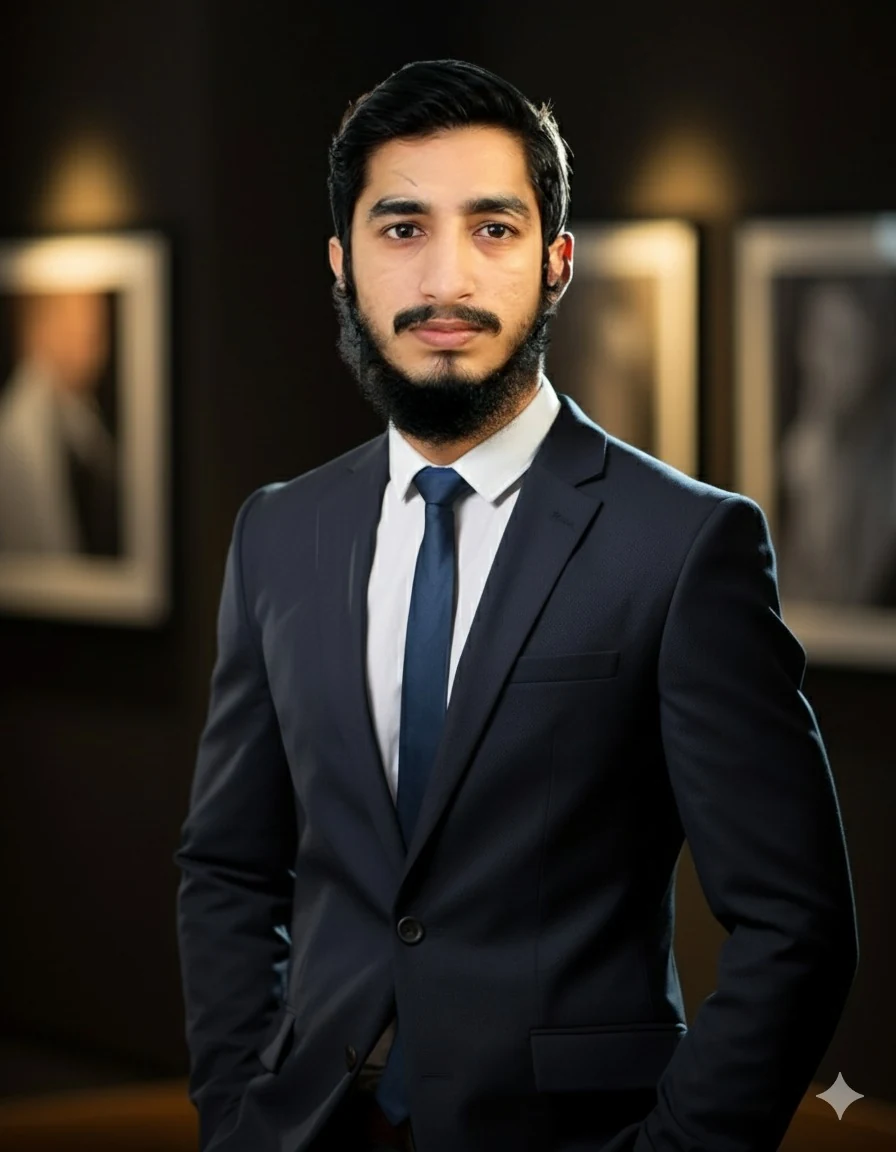
Saad Danish is a co-founder and director of Nest Fumigation Services Private Limited, a licensed pest-control and fumigation company based in DHA Phase 4, Karachi. He oversees the company's administration, client services, and marketing, working alongside NFS's technical team to deliver residential and commercial pest management across Karachi — from termite proofing and general pest control to HACCP and Sindh Food Authority compliance programmes for food, warehouse, and industrial clients. Nest Fumigation Services is ISO 9001:2015 certified and a member of the SPMA (Sindh Pest Management Association), PPMA, and the Karachi Chamber of Commerce and Industry.
More about our team →